Those Who Love Gardening Must Get To Know The Seasonal Plants And Crops
By [https://EzineArticles.com/expert/Kevin_Corten/979262]Kevin Corten
If you wish to have a garden that produces flowers all year-round, first get to know the seasonal plants/crops. Make a note of the place where you live and the kinds of temperature changes that you will witness. Then make plans depending on these climatic changes. A lot of research and planning will give you a garden that looks like it is spring through the year. Very low temperatures could mean you may need a hot house to grow them for it is always a challenge to grow plants through snow and ice.
Most seed packets will come with the temperature zones. If they are spring seeds, then start the flowers in little pots inside and when they are small saplings, transplant them in the garden after the frost is over. To have continuous blooms make sure you stagger planting. For example, if you plant a flower that will bloom for a week, then plant each row of the flower a week apart so that you have some flowers all the time. On the other hand you can mix and match perennials, annuals, semi-annuals etc., so that you will always have some flowers blooming.
Those who have indoor plants must make sure that they have enough sunlight; that is a must for healthy and lush plants. Staggered shelves in the patio or balcony will allow all plants to catch the sun. Autumn and winter are the time for hardy shrubs and plants. The mellow season is autumn when most trees turn golden and shed their leaves. The Japanese maple is a good example of a tree that will turn golden and look blazingly glorious.
Poinsettias are a lovely example of winter plants that can last for months with beautiful red and white blooms that look very good for the Christmas season. They bring brightness and cheer to cold and dull winter days and this is why it is a favorite Christmas decoration. Of course spring and summer are the best seasons to have a wide range of flowering plants. Summer is the best time to grow a variety of roses, perennials like the geranium and flower beds of colorful marigold, petunia and other flowers.
Spring is the season for bulbs like daffodils, hyacinth, crocus or tulips; flowering cherry blossom trees or shrubs of rhododendron or viburnum. As you see with some timing and planning and a lot of knowledge about plants, you can have a garden that is a permanent riot of colors. These are just a few seasonal plants and to find more, you can get some informative books or look up gardening websites. A good gardener will strive to always have some flowers or vegetables all year round.
If you live in an apartment or even independent houses, you can have a window box that can be full of flowers and provide a mini garden just outside your window. You can enjoy the riotous colors and when there is a cool breeze, you can get the scent of flowers wafting into your room. Window boxes can be mounted on balconies, fixed around patios or raised garden walls or even mounted on railings. Here are some instructions on having window box flowers:
� Select the box of which there are many varieties like
o Terracotta
o Wood
o Plastic
� Select plants for the framework
� Choose plants for the different seasons
When you select a box, you must consider the ones that will last long and yet look good. Terracotta window boxes are expensive but look elegant. Wooden window boxes need to be treated so that they do not get damaged in the rain and sun. Both these are long-lasting and come in many designs. Plastic boxes are the cheapest and come in many colors. However, there is the problem of these window boxes going out of shape when they are heavy with plants and soil.
Framework plants like evergreen perennials provide a beautiful green border and the flowering plants can be planted within this framework. Now choose different flowering plants for different seasons like:
� Spring - low growing tulips and hellebores
� Summer - flowers like roses in a multitude of colors
� Autumn - Heather, Lawson cypress or trailing ivy
� Winter - Winter cherry or skimmia
Window boxes are easy to maintain and will good both from indoors and outdoors. So, knowing all about seasonal plants and crops will give you a permanent paradise right in your own home.
Article by Kevin Corten of EPatioUmbrellas, who is also a specialist in gardening. For more information on [http://www.epatioumbrellas.com]market umbrella and [http://www.epatioumbrellas.com/patio_umbrellas.html]rectangle umbrella, visit his site today.
Article Source: [http://EzineArticles.com/?Those-Who-Love-Gardening-Must-Get-To-Know-The-Seasonal-Plants-And-Crops&id=6278757] Those Who Love Gardening Must Get To Know The Seasonal Plants And Crops
Showing posts with label Plant. Show all posts
Showing posts with label Plant. Show all posts
Sunday, November 24, 2019

Wednesday, November 20, 2019
Poppy Seeds - How To Grow Poppies From Seed
Poppy Seeds - How To Grow Poppies From Seed
By [https://EzineArticles.com/expert/Julie_Calhoun/760066]Julie Calhoun
How to Grow Poppies
Poppies are one of the most colorful flowers to grow in the garden. Knowing how to grow poppy seeds will make sure that they survive in your garden for many years.
Most poppies are grown from seed. Poppies also self seed so that each year you will have more and more to enjoy.
Growing Poppies from Seed
Start your poppy seeds by spreading the seed outside in fall or very early in spring. Scatter them sparingly or you will need to thin them later. The seed needs light to germinate, so be sure not to bury the seed. The seed also likes a cold spell, so sow in late Fall before the cold weather arrives, or you can sow the seed in very early spring.
In early spring, the cold weather will give way to warm spring sunshine and the seeds will receive sufficient moisture to germinate. In warmer areas where winters are mild, it is better to sow the seed in fall or in your coolest months. The seed will stay dormant until the weather starts to warm up. From germination to bloom is just a few weeks and the late spring show will be spectacular.
Grow the poppies in full sun and in well drained soil or the plants will become waterlogged and keel over. Make sure that you amend the area well with compost to give lots of nutrients to the plants as well as help with poor drainage. Use a slug and snail bait as those critters have a tendency to gobble up the tiny shoots as they emerge.
The middle of a perennial border is an ideal place for poppies as they will be taller than many edging plants, and with the oriental varieties dying down after bloom time, the vacant space they leave in the garden will not be noticed. If planted at the middle of the garden you could fill the gaps with other summer perennials such as phlox or salvias. If planted in the front of a garden bed you could fill the gaps with summer annuals.
After the poppies flower they produce an equally attractive flower head that contains heavy black, brown, grey, blue or white seeds. These will drop around the mother plant to give you more poppies for next year.
Alternatively you can harvest the seed head for fall crafts because they dry beautifully and hold their shape. Of course some of the seeds such as the annual breadseed poppy 'Papaver somniferum seeds' are edible and can be used in cakes, breads and other recipes.
Types of Poppy Seeds - Varieties
There are several basic types of poppy seeds and they are all grown the same way.
Oriental Poppy Seeds - The most common poppy and comes in reds, oranges, purples and whites. Perennial.
Peony Poppies - Spectacular fully double flower in reds, oranges, purples and white. Annual.
Meconopsis Poppies - Sometimes called the blue poppies but come in reds, yellows, purples and white also. Perennial.
Taffeta Poppies - Pastel colors and a feathery flower head that is very attractive. Annual.
Papaver Somniferum seeds - The bread seed poppy and a stunningly beautiful flower in a wide range of colors and shapes. Annual.
California Poppies - These are a totally different botanical family to the other poppies and are characterized by the name Eschscholzia. Shorter than the species poppies and self sow to cover an area in just a few years.
Whether you are planting a new garden space, or adding to an existing garden, grow poppies in your garden for early Spring colorful blooms. Poppies are carefree plants that will continue to grace your garden year after year. Soon you will wonder how you ever got along without those Poppy Seeds.
So now that you know more about adding [http://www.onestoppoppyshoppe.com/servlet/the-View-All-Poppy-Seeds/Categories]Poppy Seeds to...
...your home flower garden, stop by and visit the experts at One Stop Poppy Shoppe. [http://www.onestoppoppyshoppe.com]http://www.onestoppoppyshoppe.com. We carry a full line of both the Annual Poppy Seeds and the Perennial Poppy Seeds and are eager to show you our catalog and share our knowledge about poppies.
Article Source: [http://EzineArticles.com/?Poppy-Seeds---How-To-Grow-Poppies-From-Seed&id=5394962] Poppy Seeds - How To Grow Poppies From Seed
By [https://EzineArticles.com/expert/Julie_Calhoun/760066]Julie Calhoun
How to Grow Poppies
Poppies are one of the most colorful flowers to grow in the garden. Knowing how to grow poppy seeds will make sure that they survive in your garden for many years.
Most poppies are grown from seed. Poppies also self seed so that each year you will have more and more to enjoy.
Growing Poppies from Seed
Start your poppy seeds by spreading the seed outside in fall or very early in spring. Scatter them sparingly or you will need to thin them later. The seed needs light to germinate, so be sure not to bury the seed. The seed also likes a cold spell, so sow in late Fall before the cold weather arrives, or you can sow the seed in very early spring.
In early spring, the cold weather will give way to warm spring sunshine and the seeds will receive sufficient moisture to germinate. In warmer areas where winters are mild, it is better to sow the seed in fall or in your coolest months. The seed will stay dormant until the weather starts to warm up. From germination to bloom is just a few weeks and the late spring show will be spectacular.
Grow the poppies in full sun and in well drained soil or the plants will become waterlogged and keel over. Make sure that you amend the area well with compost to give lots of nutrients to the plants as well as help with poor drainage. Use a slug and snail bait as those critters have a tendency to gobble up the tiny shoots as they emerge.
The middle of a perennial border is an ideal place for poppies as they will be taller than many edging plants, and with the oriental varieties dying down after bloom time, the vacant space they leave in the garden will not be noticed. If planted at the middle of the garden you could fill the gaps with other summer perennials such as phlox or salvias. If planted in the front of a garden bed you could fill the gaps with summer annuals.
After the poppies flower they produce an equally attractive flower head that contains heavy black, brown, grey, blue or white seeds. These will drop around the mother plant to give you more poppies for next year.
Alternatively you can harvest the seed head for fall crafts because they dry beautifully and hold their shape. Of course some of the seeds such as the annual breadseed poppy 'Papaver somniferum seeds' are edible and can be used in cakes, breads and other recipes.
Types of Poppy Seeds - Varieties
There are several basic types of poppy seeds and they are all grown the same way.
Oriental Poppy Seeds - The most common poppy and comes in reds, oranges, purples and whites. Perennial.
Peony Poppies - Spectacular fully double flower in reds, oranges, purples and white. Annual.
Meconopsis Poppies - Sometimes called the blue poppies but come in reds, yellows, purples and white also. Perennial.
Taffeta Poppies - Pastel colors and a feathery flower head that is very attractive. Annual.
Papaver Somniferum seeds - The bread seed poppy and a stunningly beautiful flower in a wide range of colors and shapes. Annual.
California Poppies - These are a totally different botanical family to the other poppies and are characterized by the name Eschscholzia. Shorter than the species poppies and self sow to cover an area in just a few years.
Whether you are planting a new garden space, or adding to an existing garden, grow poppies in your garden for early Spring colorful blooms. Poppies are carefree plants that will continue to grace your garden year after year. Soon you will wonder how you ever got along without those Poppy Seeds.
So now that you know more about adding [http://www.onestoppoppyshoppe.com/servlet/the-View-All-Poppy-Seeds/Categories]Poppy Seeds to...
...your home flower garden, stop by and visit the experts at One Stop Poppy Shoppe. [http://www.onestoppoppyshoppe.com]http://www.onestoppoppyshoppe.com. We carry a full line of both the Annual Poppy Seeds and the Perennial Poppy Seeds and are eager to show you our catalog and share our knowledge about poppies.
Article Source: [http://EzineArticles.com/?Poppy-Seeds---How-To-Grow-Poppies-From-Seed&id=5394962] Poppy Seeds - How To Grow Poppies From Seed
Sunday, November 3, 2019
How To Plant Pansies - When And Where To Plant Pansies For Best Results
How To Plant Pansies - When And Where To Plant Pansies For Best Results
By [https://EzineArticles.com/expert/Lee_Dobbins/6097]Lee Dobbins
When it comes to garden flowers, pansies are the hands-down favorite of many gardeners because they have such a beautiful variety of colors and also are quite easy to plant and maintain. In fact, pansies are one of the few flowers that will withstand very cold temperatures and can overwinter in your garden to produce beautiful blooms early the next spring.
How To Plant
It's not hard to learn how to plant pansies, in fact they don't have any special requirements and can be planted the same as other plants. You want to start with a good healthy plant that has vibrant deep green leaves and is not leggy. Be sure that the root ball is well formed but not too compacted.
To plant your pansies, simply dig a hole in your garden that is a bit larger than the container the pansy comes in. Gently remove the pansy from the container and loosen up the root ball with your fingers. Place the pansy in the hole and fill in with dirt. You want to be sure to water your pansies after planning and add in some time release fertilizer. Be sure to fertilize your plants monthly thereafter.
Where To Plant Pansies
Like most other garden flowers, pansies have some specific requirements as to their placement. They need to get at least 4 hours of sun a day and need to be planted in well-drained soil. You don't want to plant them in an area that gets full sun because, unlike most flowers, pansies really won't do well especially if it is really hot and the full sun is blaring down on them.
Pansies will grow equally well in containers as they will planted right in your garden soil. They are a favorite plant to have in window boxes and do well in any type of planter as long as it drains properly.
When To Plant
Since pansies can survive the harsh winter, you want to plant them during the end of summer. That way they will bloom well into the fall, go dormant for the winter, and then bloom again in early spring. You want to make sure that the soil temperature is between 45 and 65� for best results. If the soil is too hot, your pansies may not grow well and if it is too cold they probably won't grow it all. In either case, you want it be sure to plant them well ahead of the first frost so that they are able to establish a root system to help them survive throughout the winter.
Learning how to plant pansies, where to plant pansies and when to plant pansies is not that difficult, but it is critical to follow these few simple rules if you want to have lush vibrant plants.
Next get more tips on [http://www.backyard-garden-and-patio.com/buying-and-planting-pansies]planting pansies and find out how to have the most beautiful and functional garden on your street at [http://www.backyard-garden-and-patio.com]http://www.backyard-garden-and-patio.com.
Article Source: [http://EzineArticles.com/?How-To-Plant-Pansies---When-And-Where-To-Plant-Pansies-For-Best-Results&id=6959228] How To Plant Pansies - When And Where To Plant Pansies For Best Results
By [https://EzineArticles.com/expert/Lee_Dobbins/6097]Lee Dobbins
When it comes to garden flowers, pansies are the hands-down favorite of many gardeners because they have such a beautiful variety of colors and also are quite easy to plant and maintain. In fact, pansies are one of the few flowers that will withstand very cold temperatures and can overwinter in your garden to produce beautiful blooms early the next spring.
How To Plant
It's not hard to learn how to plant pansies, in fact they don't have any special requirements and can be planted the same as other plants. You want to start with a good healthy plant that has vibrant deep green leaves and is not leggy. Be sure that the root ball is well formed but not too compacted.
To plant your pansies, simply dig a hole in your garden that is a bit larger than the container the pansy comes in. Gently remove the pansy from the container and loosen up the root ball with your fingers. Place the pansy in the hole and fill in with dirt. You want to be sure to water your pansies after planning and add in some time release fertilizer. Be sure to fertilize your plants monthly thereafter.
Where To Plant Pansies
Like most other garden flowers, pansies have some specific requirements as to their placement. They need to get at least 4 hours of sun a day and need to be planted in well-drained soil. You don't want to plant them in an area that gets full sun because, unlike most flowers, pansies really won't do well especially if it is really hot and the full sun is blaring down on them.
Pansies will grow equally well in containers as they will planted right in your garden soil. They are a favorite plant to have in window boxes and do well in any type of planter as long as it drains properly.
When To Plant
Since pansies can survive the harsh winter, you want to plant them during the end of summer. That way they will bloom well into the fall, go dormant for the winter, and then bloom again in early spring. You want to make sure that the soil temperature is between 45 and 65� for best results. If the soil is too hot, your pansies may not grow well and if it is too cold they probably won't grow it all. In either case, you want it be sure to plant them well ahead of the first frost so that they are able to establish a root system to help them survive throughout the winter.
Learning how to plant pansies, where to plant pansies and when to plant pansies is not that difficult, but it is critical to follow these few simple rules if you want to have lush vibrant plants.
Next get more tips on [http://www.backyard-garden-and-patio.com/buying-and-planting-pansies]planting pansies and find out how to have the most beautiful and functional garden on your street at [http://www.backyard-garden-and-patio.com]http://www.backyard-garden-and-patio.com.
Article Source: [http://EzineArticles.com/?How-To-Plant-Pansies---When-And-Where-To-Plant-Pansies-For-Best-Results&id=6959228] How To Plant Pansies - When And Where To Plant Pansies For Best Results
Saturday, November 2, 2019
Which is Better, Bare Root or Potted Hostas?
Which is Better, Bare Root or Potted Hostas?
By [https://EzineArticles.com/expert/Jerry_Van_Der_Kolk/73616]Jerry Van Der Kolk
The great debate. Bare Root or Potted Hostas? Which is the best choice for your average home gardener to purchase? Should you only buy potted plants or should you consider buying bare root hostas as well?
Let's cover the basics. A bare root hosta is simply a piece of freshly dug plant and root material. When you dig up an existing hosta clump and divide a few eyes from this clump, you have a piece of bare root hosta. A potted hosta on the other hand, is this same bare root piece of plant material which has been transplanted into a pot. Usually a potted hosta which is actively growing is proof of a successful transplant experience.
Since bare root pieces still have to endure the transplant process to survive, it is a fact you will have more transplanting success with potted hostas since they are already established. Many hosta vendors may argue this claim but I have found almost all of those who discredit this claim sell bare root hostas exclusively. So it is only natural they are "defending" their livelihood.
My experience is over 20 years growing and selling hostas. I am going to reveal to you what I think is the best solution for most home gardeners. I have dealt with growing and selling both bare-root hostas and potted hostas so my revelations are based on experience.
When is the last time you walked into your local garden center and purchased a bare root hosta? More than likely this has not occurred unless you walked into a specialty hosta grower who digs the plants on the spot. Why is this? I do not understand why the majority of Mail Order firms tend to ship bare root hostas. My only guess is to save on shipping costs?
I think potted hostas are better for the average home gardener. Why? They offer several advantages which include no transplant shock, planting convenience and survival rates.
There is little or no transplant shock when transferring a nicely rooted potted hosta into the ground. Usually a few sips of water after transplanting and you are done. Bare root hostas on the other hand endure shock since they have been cut or separated from the mother plant. The roots are usually cleaned of all soil. Does this sound natural? Each step causes more shock to the existing plant.
A potted plant offers the buyer the convenience to plant when he or she has the time. Most potted hostas can last for several months if not longer in their existing pots if need be. This allows the home gardener to plant during a weekend when they have the time, not necessarily immediately upon purchase.
People will argue with me but I dare say potted hostas endure better survival rates when considering the average home gardeners growing environment. I have been involved with growing acres of bare root hostas and thousands of potted hostas. I have witnessed first hand the survival rate of bare root hostas versus potted hostas. Potted hostas outperform bare root hostas any day of the week when it comes to transplanting survival rates. So next time you are looking to add some hostas to you garden just make sure they are potted!
Jerry Van Der Kolk has been involved directly with the Horticulture Industry for over 20 years. He now devotes his time to growing hard-to-find hostas for hosta collectors via his popular website [http://www.DirectSourceHostas.com]
Article Source: [http://EzineArticles.com/?Which-is-Better,-Bare-Root-or-Potted-Hostas?&id=436503] Which is Better, Bare Root or Potted Hostas?
By [https://EzineArticles.com/expert/Jerry_Van_Der_Kolk/73616]Jerry Van Der Kolk
The great debate. Bare Root or Potted Hostas? Which is the best choice for your average home gardener to purchase? Should you only buy potted plants or should you consider buying bare root hostas as well?
Let's cover the basics. A bare root hosta is simply a piece of freshly dug plant and root material. When you dig up an existing hosta clump and divide a few eyes from this clump, you have a piece of bare root hosta. A potted hosta on the other hand, is this same bare root piece of plant material which has been transplanted into a pot. Usually a potted hosta which is actively growing is proof of a successful transplant experience.
Since bare root pieces still have to endure the transplant process to survive, it is a fact you will have more transplanting success with potted hostas since they are already established. Many hosta vendors may argue this claim but I have found almost all of those who discredit this claim sell bare root hostas exclusively. So it is only natural they are "defending" their livelihood.
My experience is over 20 years growing and selling hostas. I am going to reveal to you what I think is the best solution for most home gardeners. I have dealt with growing and selling both bare-root hostas and potted hostas so my revelations are based on experience.
When is the last time you walked into your local garden center and purchased a bare root hosta? More than likely this has not occurred unless you walked into a specialty hosta grower who digs the plants on the spot. Why is this? I do not understand why the majority of Mail Order firms tend to ship bare root hostas. My only guess is to save on shipping costs?
I think potted hostas are better for the average home gardener. Why? They offer several advantages which include no transplant shock, planting convenience and survival rates.
There is little or no transplant shock when transferring a nicely rooted potted hosta into the ground. Usually a few sips of water after transplanting and you are done. Bare root hostas on the other hand endure shock since they have been cut or separated from the mother plant. The roots are usually cleaned of all soil. Does this sound natural? Each step causes more shock to the existing plant.
A potted plant offers the buyer the convenience to plant when he or she has the time. Most potted hostas can last for several months if not longer in their existing pots if need be. This allows the home gardener to plant during a weekend when they have the time, not necessarily immediately upon purchase.
People will argue with me but I dare say potted hostas endure better survival rates when considering the average home gardeners growing environment. I have been involved with growing acres of bare root hostas and thousands of potted hostas. I have witnessed first hand the survival rate of bare root hostas versus potted hostas. Potted hostas outperform bare root hostas any day of the week when it comes to transplanting survival rates. So next time you are looking to add some hostas to you garden just make sure they are potted!
Jerry Van Der Kolk has been involved directly with the Horticulture Industry for over 20 years. He now devotes his time to growing hard-to-find hostas for hosta collectors via his popular website [http://www.DirectSourceHostas.com]
Article Source: [http://EzineArticles.com/?Which-is-Better,-Bare-Root-or-Potted-Hostas?&id=436503] Which is Better, Bare Root or Potted Hostas?
Friday, November 1, 2019
Trimming Aquatic Plants
Trimming Aquatic Plants
By [https://EzineArticles.com/expert/Jon_T_Cole/1479049]Jon T Cole
One of the appeals of aquatic plants is that they become more attractive as they grow. This is a characteristic that is only true for living plants and not for artificial ones. On the other hand, the very characteristic of growing can be problematic for enjoying an aquatic plant layout.
First of all, overgrown aquatic plants can destroy the balance of a layout, especially because stem plants and the undergrowth can fill up the open space and spoil a layout. Secondly, since aquatic plants grow at different speeds depending on their type, slow-growing plants can lose out to fast growing plants. Several types of aquatitic plants are often combined to produce an aquatic plant layout. Therefore, certain techniques are required for growing all of the plants attractively.
The Effect of Light
The light intensity changes in an aquarium depending on the water depth. Stem plants, which are heliophytic (light loving), tend to grow vertically to capture more light in a deep, dimly lit environment. In a bright environment near the water surface, they tend to spread more horizontally. If the fast growing stem plants are left unchecked, they can cover up slower-growing stem plants, causing them to deteriorate.
Since sciophytic (low-light) plants that are slow growing to start with can withstand the shade well, they are practically unaffected in such a condition. If anything, their leaves may grow larger.
Heliophytic plants will eventually die if they are kept in such a dimly lit condition. Thereiore, as a general rule, slower-growing stem plants are kept relatively longer and faster-growing stem plants are cut shorter during initial planting.
Trimming Different Plants
In this article, Alternanthera reineckii was left long since it is slow growing, while fast-growing Myriophyllum mattogrossense was cut short at the initial planting time. By changing the length of plants at the initial planting time like this, slow-growing aquatic plants can be grown just as well as fast-growing aquatic plants in the same layout.
Likewise, during trimming, fast-growing aquatic plants should be cut short at an earlier time while slow-growing aquatic plants should be cut to a somewhat longer length after waiting until they grow sufficiently tall. Although it would be easier to cut all the bushes of aquatic plants to a uniform length, extra care is required if there is a difference in the growing speed in the mix of aquatic plants, since slow-growing plants will be covered up by fast-growing plants and decline in the end.
Trimming aquatic plants in groups and staggering the timing for trimming, taking their growing speed into consideration instead of trimming all plants at once, is an important technique that enables you to enjoy an attractive layout for a longer period. In a layout, it is important to not only make an adjustment for the growth of stem plants depending on their type, but also to control the growth of the foreground and background plants so their peak periods match and viewing is optimal.
Many of the plants that are used as undergrowth in a foreground, such as Glossostigma and Riccia, grow fast and require frequent trimming. It is difficult to match the timing for trimming the foreground and the background with stem plants, and, therefore, doing so requires careful planning.
The recovery time after trimming Glossostigma and Riccia varies depending on how much they are trimmed. While they grow back very quickly if trimmed lightly on the surface, it takes some time for them to grow back to a uniform, attractive condition if they are trimmed close to the surface of the substrate.
Taking advantage of this characteristic, I vary the trimming procedure depending on the situation. For example, if the background is close to looking uniformly attractive, I trim the foreground lightly to match their peak viewing periods. On the other hand, if it is going to take some time for stem plants to grow back after rejuvenating them by replanting their tops, I trim the foreground short as well.
In addition, I plant relatively slow-growing sciophytic plants in the midground so a layout still looks attractive enough right after the drastic trimming of foreground and background.
Although a layout is not going to be as attractive as before right after the plants have been trimmed drastically, leaving untrimmed aquatic plants in the midground keeps it attractive enough for viewing.
The aquatic plant layouts in the ADA Nature Aquarium Gallery and those installed in other public facilities in particular must be created with the understanding that they will be viewed by the general public. Since sciophytic plants such as ferns, Cryptocoryne, and Anubias grow slowly compared to stem plants and other heliophytic plants, they don't require a lot of trimming.
Even when they are grown for a long period of time, they are maintained by cutting off overgrown leaves one by one as a general rule. It is practical to plant epiphytic plants such as ferns and Anubias in the midground, since composition materials such as rocks and driftwood are placed there. The slow growing speed of sciophytic plants is an advantage from the standpoint of the ease of maintenance. To find out more, you can check out [http://UltimateAquariumGuide.blogspot.com]Trimming Aquatic Plants.
Hi, I'm a traveler, fishes fanatic, reader and teacher. I hope to share [http://UltimateAquariumGuide.blogspot.com]my fishes experiences with you through my articles. If you like my articles, do share with your friends. I thank you for that first.
Article Source: [http://EzineArticles.com/?Trimming-Aquatic-Plants&id=7461291] Trimming Aquatic Plants
By [https://EzineArticles.com/expert/Jon_T_Cole/1479049]Jon T Cole
One of the appeals of aquatic plants is that they become more attractive as they grow. This is a characteristic that is only true for living plants and not for artificial ones. On the other hand, the very characteristic of growing can be problematic for enjoying an aquatic plant layout.
First of all, overgrown aquatic plants can destroy the balance of a layout, especially because stem plants and the undergrowth can fill up the open space and spoil a layout. Secondly, since aquatic plants grow at different speeds depending on their type, slow-growing plants can lose out to fast growing plants. Several types of aquatitic plants are often combined to produce an aquatic plant layout. Therefore, certain techniques are required for growing all of the plants attractively.
The Effect of Light
The light intensity changes in an aquarium depending on the water depth. Stem plants, which are heliophytic (light loving), tend to grow vertically to capture more light in a deep, dimly lit environment. In a bright environment near the water surface, they tend to spread more horizontally. If the fast growing stem plants are left unchecked, they can cover up slower-growing stem plants, causing them to deteriorate.
Since sciophytic (low-light) plants that are slow growing to start with can withstand the shade well, they are practically unaffected in such a condition. If anything, their leaves may grow larger.
Heliophytic plants will eventually die if they are kept in such a dimly lit condition. Thereiore, as a general rule, slower-growing stem plants are kept relatively longer and faster-growing stem plants are cut shorter during initial planting.
Trimming Different Plants
In this article, Alternanthera reineckii was left long since it is slow growing, while fast-growing Myriophyllum mattogrossense was cut short at the initial planting time. By changing the length of plants at the initial planting time like this, slow-growing aquatic plants can be grown just as well as fast-growing aquatic plants in the same layout.
Likewise, during trimming, fast-growing aquatic plants should be cut short at an earlier time while slow-growing aquatic plants should be cut to a somewhat longer length after waiting until they grow sufficiently tall. Although it would be easier to cut all the bushes of aquatic plants to a uniform length, extra care is required if there is a difference in the growing speed in the mix of aquatic plants, since slow-growing plants will be covered up by fast-growing plants and decline in the end.
Trimming aquatic plants in groups and staggering the timing for trimming, taking their growing speed into consideration instead of trimming all plants at once, is an important technique that enables you to enjoy an attractive layout for a longer period. In a layout, it is important to not only make an adjustment for the growth of stem plants depending on their type, but also to control the growth of the foreground and background plants so their peak periods match and viewing is optimal.
Many of the plants that are used as undergrowth in a foreground, such as Glossostigma and Riccia, grow fast and require frequent trimming. It is difficult to match the timing for trimming the foreground and the background with stem plants, and, therefore, doing so requires careful planning.
The recovery time after trimming Glossostigma and Riccia varies depending on how much they are trimmed. While they grow back very quickly if trimmed lightly on the surface, it takes some time for them to grow back to a uniform, attractive condition if they are trimmed close to the surface of the substrate.
Taking advantage of this characteristic, I vary the trimming procedure depending on the situation. For example, if the background is close to looking uniformly attractive, I trim the foreground lightly to match their peak viewing periods. On the other hand, if it is going to take some time for stem plants to grow back after rejuvenating them by replanting their tops, I trim the foreground short as well.
In addition, I plant relatively slow-growing sciophytic plants in the midground so a layout still looks attractive enough right after the drastic trimming of foreground and background.
Although a layout is not going to be as attractive as before right after the plants have been trimmed drastically, leaving untrimmed aquatic plants in the midground keeps it attractive enough for viewing.
The aquatic plant layouts in the ADA Nature Aquarium Gallery and those installed in other public facilities in particular must be created with the understanding that they will be viewed by the general public. Since sciophytic plants such as ferns, Cryptocoryne, and Anubias grow slowly compared to stem plants and other heliophytic plants, they don't require a lot of trimming.
Even when they are grown for a long period of time, they are maintained by cutting off overgrown leaves one by one as a general rule. It is practical to plant epiphytic plants such as ferns and Anubias in the midground, since composition materials such as rocks and driftwood are placed there. The slow growing speed of sciophytic plants is an advantage from the standpoint of the ease of maintenance. To find out more, you can check out [http://UltimateAquariumGuide.blogspot.com]Trimming Aquatic Plants.
Hi, I'm a traveler, fishes fanatic, reader and teacher. I hope to share [http://UltimateAquariumGuide.blogspot.com]my fishes experiences with you through my articles. If you like my articles, do share with your friends. I thank you for that first.
Article Source: [http://EzineArticles.com/?Trimming-Aquatic-Plants&id=7461291] Trimming Aquatic Plants
Friday, October 18, 2019
Problem with Buying Plants Online
With online shopping becoming more and more popular, the ability
to buy anything online is now possible. Even some products that you would think
would be impossible to ship to your front door are now available to be shipped.
One product that is now able to be shipped to you are live plants. I haven’t purchased
a plant online yet but I have been looking and plan to buy one in the near
future. However, there are some problems that I am coming across when looking for
plants to buy online.
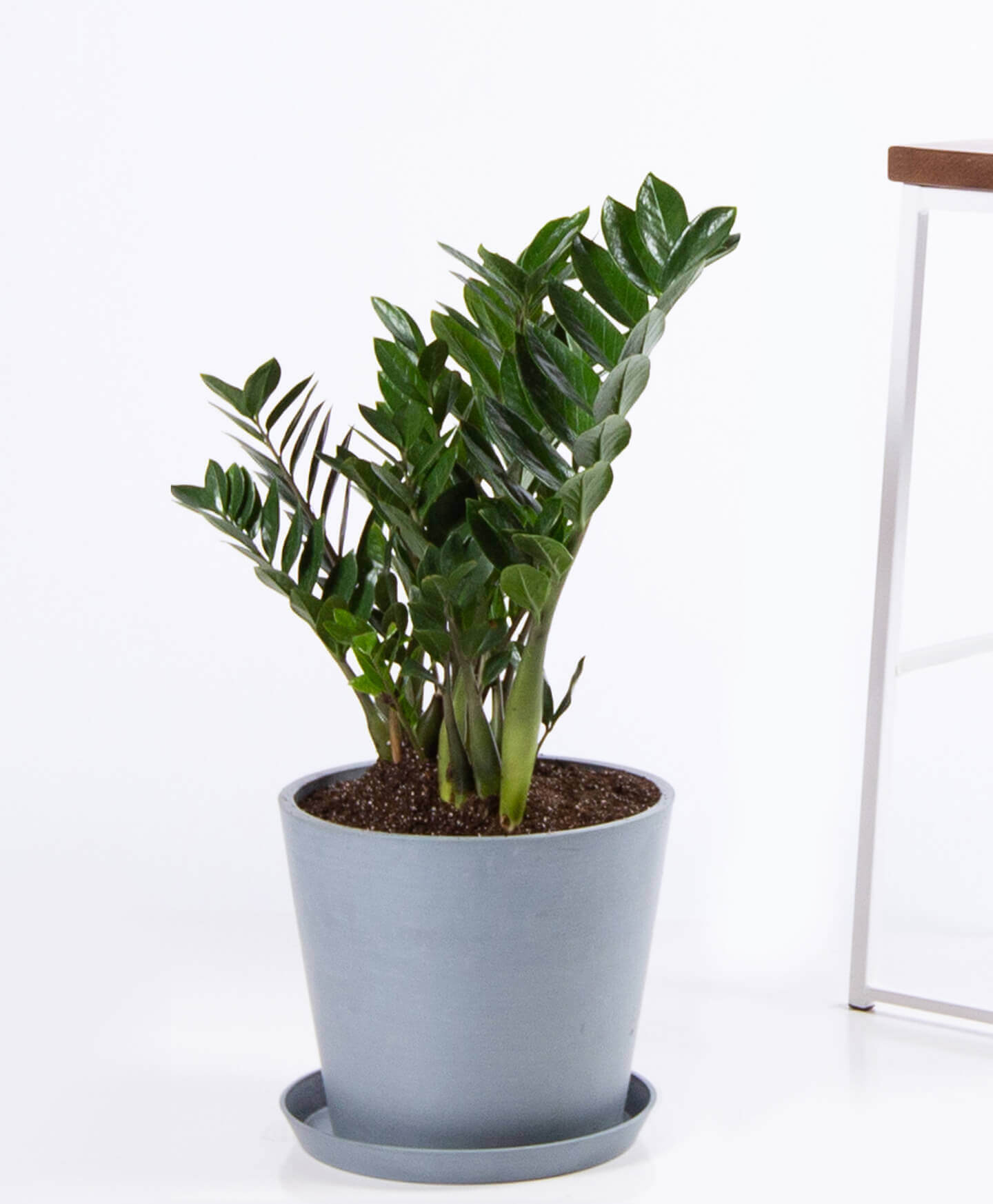 The main problem that I am coming across is when looking for
plants to buy online is the prices of some plants that I want to purchase. For
example, I found a plant on The Sill’s website that I think is too much for the
plant. The I am talking about is a house plant that is called a ZZ plant that
comes in a small grant planter. The plant is only 4.25 inches tall and only 5
inches wide. The price of this plant is forty dollars before taxes and
shipping. Depending on where you live shipping can vary. For me, living in the Midwest,
shipping was twelve dollars. In total, for buying one plant, it costed
fifty-four dollars because of taxes. Fifty-four dollars for one small plant
that I can buy from the store for much cheaper doesn’t make me want to buy the
ZZ plant online. It might just be this website but I can’t see myself buying
plants online if they are going to be insanely priced. Let me know in the
comments if you’re coming across this problem too.
The main problem that I am coming across is when looking for
plants to buy online is the prices of some plants that I want to purchase. For
example, I found a plant on The Sill’s website that I think is too much for the
plant. The I am talking about is a house plant that is called a ZZ plant that
comes in a small grant planter. The plant is only 4.25 inches tall and only 5
inches wide. The price of this plant is forty dollars before taxes and
shipping. Depending on where you live shipping can vary. For me, living in the Midwest,
shipping was twelve dollars. In total, for buying one plant, it costed
fifty-four dollars because of taxes. Fifty-four dollars for one small plant
that I can buy from the store for much cheaper doesn’t make me want to buy the
ZZ plant online. It might just be this website but I can’t see myself buying
plants online if they are going to be insanely priced. Let me know in the
comments if you’re coming across this problem too.Monday, September 30, 2019
Garden Interview
Here is an interview with my friend Briley who is a plant fiend
and is majoring in Agriculture Business.
What is your experience with plants?
I have taken care of gardens at my grandpas. Plants included
strawberries, rhubarb, and peppers. I worked at the Green View Nursery back at
home over the summer which has variety of plants.
What are some easy beginner plants?
 Geraniums, marigold, petunias is what I recommend for beginners.
These are easy potted plants to use as home décor. Also, roses bushes are great
because they are hardy plants.
Geraniums, marigold, petunias is what I recommend for beginners.
These are easy potted plants to use as home décor. Also, roses bushes are great
because they are hardy plants.
Where do you get your plants?
Local nurseries because you can have a more personal interaction
and it’s more informative. Also, it helps give back to local businesses. And if
you want organic seeds I would look online because it’s the easiest.
How often should you water the plant?
If it’s a hot season, water every single day. If it’s
raining be careful to not over water the plants since that could kill them too.
Overall, if the soil is dry water the plant.
What are some tips that could help take care of your plants?
Promix soil mixed with the original soil is a good start. If
you notice the plant still isn’t doing well, then you can use a synthetic or organic
fertilizer, but only in a small amount.
Benefits of having a garden?
At home gardening is very therapeutic to the mind, body, and
sole. If it’s a vegetable garden then you can produce your own produce. It
helps give back to the environment and it helps make your back yard look
pretty.
Hopefully this interview gave you a better understanding
about gardening.
Subscribe to:
Posts (Atom)