Those Who Love Gardening Must Get To Know The Seasonal Plants And Crops
By [https://EzineArticles.com/expert/Kevin_Corten/979262]Kevin Corten
If you wish to have a garden that produces flowers all year-round, first get to know the seasonal plants/crops. Make a note of the place where you live and the kinds of temperature changes that you will witness. Then make plans depending on these climatic changes. A lot of research and planning will give you a garden that looks like it is spring through the year. Very low temperatures could mean you may need a hot house to grow them for it is always a challenge to grow plants through snow and ice.
Most seed packets will come with the temperature zones. If they are spring seeds, then start the flowers in little pots inside and when they are small saplings, transplant them in the garden after the frost is over. To have continuous blooms make sure you stagger planting. For example, if you plant a flower that will bloom for a week, then plant each row of the flower a week apart so that you have some flowers all the time. On the other hand you can mix and match perennials, annuals, semi-annuals etc., so that you will always have some flowers blooming.
Those who have indoor plants must make sure that they have enough sunlight; that is a must for healthy and lush plants. Staggered shelves in the patio or balcony will allow all plants to catch the sun. Autumn and winter are the time for hardy shrubs and plants. The mellow season is autumn when most trees turn golden and shed their leaves. The Japanese maple is a good example of a tree that will turn golden and look blazingly glorious.
Poinsettias are a lovely example of winter plants that can last for months with beautiful red and white blooms that look very good for the Christmas season. They bring brightness and cheer to cold and dull winter days and this is why it is a favorite Christmas decoration. Of course spring and summer are the best seasons to have a wide range of flowering plants. Summer is the best time to grow a variety of roses, perennials like the geranium and flower beds of colorful marigold, petunia and other flowers.
Spring is the season for bulbs like daffodils, hyacinth, crocus or tulips; flowering cherry blossom trees or shrubs of rhododendron or viburnum. As you see with some timing and planning and a lot of knowledge about plants, you can have a garden that is a permanent riot of colors. These are just a few seasonal plants and to find more, you can get some informative books or look up gardening websites. A good gardener will strive to always have some flowers or vegetables all year round.
If you live in an apartment or even independent houses, you can have a window box that can be full of flowers and provide a mini garden just outside your window. You can enjoy the riotous colors and when there is a cool breeze, you can get the scent of flowers wafting into your room. Window boxes can be mounted on balconies, fixed around patios or raised garden walls or even mounted on railings. Here are some instructions on having window box flowers:
� Select the box of which there are many varieties like
o Terracotta
o Wood
o Plastic
� Select plants for the framework
� Choose plants for the different seasons
When you select a box, you must consider the ones that will last long and yet look good. Terracotta window boxes are expensive but look elegant. Wooden window boxes need to be treated so that they do not get damaged in the rain and sun. Both these are long-lasting and come in many designs. Plastic boxes are the cheapest and come in many colors. However, there is the problem of these window boxes going out of shape when they are heavy with plants and soil.
Framework plants like evergreen perennials provide a beautiful green border and the flowering plants can be planted within this framework. Now choose different flowering plants for different seasons like:
� Spring - low growing tulips and hellebores
� Summer - flowers like roses in a multitude of colors
� Autumn - Heather, Lawson cypress or trailing ivy
� Winter - Winter cherry or skimmia
Window boxes are easy to maintain and will good both from indoors and outdoors. So, knowing all about seasonal plants and crops will give you a permanent paradise right in your own home.
Article by Kevin Corten of EPatioUmbrellas, who is also a specialist in gardening. For more information on [http://www.epatioumbrellas.com]market umbrella and [http://www.epatioumbrellas.com/patio_umbrellas.html]rectangle umbrella, visit his site today.
Article Source: [http://EzineArticles.com/?Those-Who-Love-Gardening-Must-Get-To-Know-The-Seasonal-Plants-And-Crops&id=6278757] Those Who Love Gardening Must Get To Know The Seasonal Plants And Crops
Showing posts with label Garden. Show all posts
Showing posts with label Garden. Show all posts
Sunday, November 24, 2019

Saturday, November 23, 2019
Growing Foxglove Varieties
Growing Foxglove Varieties
By [https://EzineArticles.com/expert/Jo_Poultney/1203126]Jo Poultney
The common foxglove or Digitalis purpurea, is an herbaceous biennial native to most of Europe. A stately looking plant, the foxglove has been grown in gardens for centuries and is a particularly common sight in cottage style gardens. It has also been grown for cut flowers and used as an herb for medicinal purposes. Like many plant species, the foxglove has slipped in and out of fashion with garden designers, but seems to have become popular once again, featuring in many of this year's gardens at the Chelsea flower show. Here are a few of the most popular and also more unusual varieties.
Wild foxgloves are biennial, which means they take two years to develop from seed to flower. The first year of growth produces a rosette of long basal leaves and the flowers appear in the second year. Foxgloves thrive in partial sunlight to deep shade and are found naturally in open woods, moorland and hedge banks. The flowers are typically purple but some plants, especially hybrids, may be pink, rose, yellow, or white.
A very new and stunning variety is 'Illumination', winner of the Chelsea Flower Show plant of the year 2012. Unlike most foxgloves which are generally biennial, this hardy semi-evergreen is a true perennial with stunning tropical colouring of pinks and orange. It grows to a height of 90cm. The Chinese Foxglove or Rehmannia, is also a periennial hybrid and makes a makes a great choice for tricky dry, shady areas, thriving in difficult sites where many other plants fail. Also grows to a height of 90cm.
Foxglove 'Polka Dot Pandora' has architectural, apricot flower spikes. Being sterile, it won't self-seed but the flowers are very long lasting. 'Dalmatian Peach' has upright stems of peach coloured trumpet flowers and is particularly stunning in cottage garden borders or woodland settings. It grows to a height of 100cm. Foxglove 'Polka Dot Princess' is one of the longest flowering foxgloves with bright pink flowers on upright stems. It grows up to 60cm tall. Foxglove 'Summer King'is commonly known as the strawberry foxglove because of its eye-catching strawberry-rose flowers. Digitalis Summer King is a naturally occurring cross between the yellow-flowered Digitalis grandiflora and lavender-rose-flowered Digitalis purpurea. Foxglove 'Ianata' is one foxglove species that can thrive in hotter/drier spots. Its flowers have a protruding lower lip netted in brown, elsewhere the flowers are cream. 'Alba' as its name suggest, has pure white flowers on upright stems.
Foxgloves can be grown in [http://www.gardenplantersshop.co.uk/]garden planters, particularly the compact varieties such as Digitalis dubia, a small species from the Balearic Islands. Those grown in pots can be used to create a focal point.
Jo Poultney is one of two people behind Garden Planters. I have an RHS general certificate in horticulture. Garden Planters source unusual outdoor and indoor planters, and other garden related gifts - whatever your taste, be it traditional, modern or just a bit quirky, we will have something for you. I believe garden planters are an integral part of any garden - they enhance the overall design and say a little something about the person to whom the garden belongs. If you would like to know more about Garden Planters, visit our website at http://www.gardenplantersshop.co.uk
Article Source: [http://EzineArticles.com/?Growing-Foxglove-Varieties&id=7114183] Growing Foxglove Varieties
By [https://EzineArticles.com/expert/Jo_Poultney/1203126]Jo Poultney
The common foxglove or Digitalis purpurea, is an herbaceous biennial native to most of Europe. A stately looking plant, the foxglove has been grown in gardens for centuries and is a particularly common sight in cottage style gardens. It has also been grown for cut flowers and used as an herb for medicinal purposes. Like many plant species, the foxglove has slipped in and out of fashion with garden designers, but seems to have become popular once again, featuring in many of this year's gardens at the Chelsea flower show. Here are a few of the most popular and also more unusual varieties.
Wild foxgloves are biennial, which means they take two years to develop from seed to flower. The first year of growth produces a rosette of long basal leaves and the flowers appear in the second year. Foxgloves thrive in partial sunlight to deep shade and are found naturally in open woods, moorland and hedge banks. The flowers are typically purple but some plants, especially hybrids, may be pink, rose, yellow, or white.
A very new and stunning variety is 'Illumination', winner of the Chelsea Flower Show plant of the year 2012. Unlike most foxgloves which are generally biennial, this hardy semi-evergreen is a true perennial with stunning tropical colouring of pinks and orange. It grows to a height of 90cm. The Chinese Foxglove or Rehmannia, is also a periennial hybrid and makes a makes a great choice for tricky dry, shady areas, thriving in difficult sites where many other plants fail. Also grows to a height of 90cm.
Foxglove 'Polka Dot Pandora' has architectural, apricot flower spikes. Being sterile, it won't self-seed but the flowers are very long lasting. 'Dalmatian Peach' has upright stems of peach coloured trumpet flowers and is particularly stunning in cottage garden borders or woodland settings. It grows to a height of 100cm. Foxglove 'Polka Dot Princess' is one of the longest flowering foxgloves with bright pink flowers on upright stems. It grows up to 60cm tall. Foxglove 'Summer King'is commonly known as the strawberry foxglove because of its eye-catching strawberry-rose flowers. Digitalis Summer King is a naturally occurring cross between the yellow-flowered Digitalis grandiflora and lavender-rose-flowered Digitalis purpurea. Foxglove 'Ianata' is one foxglove species that can thrive in hotter/drier spots. Its flowers have a protruding lower lip netted in brown, elsewhere the flowers are cream. 'Alba' as its name suggest, has pure white flowers on upright stems.
Foxgloves can be grown in [http://www.gardenplantersshop.co.uk/]garden planters, particularly the compact varieties such as Digitalis dubia, a small species from the Balearic Islands. Those grown in pots can be used to create a focal point.
Jo Poultney is one of two people behind Garden Planters. I have an RHS general certificate in horticulture. Garden Planters source unusual outdoor and indoor planters, and other garden related gifts - whatever your taste, be it traditional, modern or just a bit quirky, we will have something for you. I believe garden planters are an integral part of any garden - they enhance the overall design and say a little something about the person to whom the garden belongs. If you would like to know more about Garden Planters, visit our website at http://www.gardenplantersshop.co.uk
Article Source: [http://EzineArticles.com/?Growing-Foxglove-Varieties&id=7114183] Growing Foxglove Varieties
Friday, November 22, 2019
How to Keep Cats Out of Your Garden
How to Keep Cats Out of Your Garden
By [https://EzineArticles.com/expert/Kathy_Robinson/107293]Kathy Robinson
If you are having a problem with stray cats in your garden, there are a few tricks you can use to keep them out. First off, try to make sure there are no gaps in your fence where a cat can squeeze through. However, as cats can jump or climb fences or trees next to a fence, just plugging the gaps won't necessarily stop them. You could also invest in string or taut wire across the top. Someone in Australia has developed a roller bar to place on top of fences. As the cat jumps onto it, it rolls and the cat loses its balance. Doing this a few times will discourage all but the most determined cat from trying again.
It is a well-known fact that cats don't like water. There are a few ways you can put this to good use. You could try using a water pistol or spray bottle if you are close by, or you could try turning the hose on them. Most local hardware stores sell motion activated sprinklers. This is a little more expensive, but it doesn't require you to actually be in your yard with the cats. These sprinklers will detect the cat's movement and automatically turn on. It shouldn't take long before the strays get the message. An added advantage of using motion activated sprinklers is that your garden is automatically watered for you. However, this could end up costing you in excess water bills and use up a precious resource.
There are also many devices available that send out high frequency sounds undetectable by human ears. These are designed to deter animals (cats, dogs, mice, rats etc) from coming within range. It's a bit like you hearing a screeching noise. You'd want to move away from that I'm sure. Just make sure that whatever type you buy is strong enough to cover your garden area. Again, you can find models that only work when they detect motion so you are not always sending out that high pitched noise.
Many people choose to keep a dogs as a deterrent, simply because cats are known to to be frightened of dogs. This is fine if you want to have a dog as a pet but possibly overkill if you are only trying to keep the neighborhood cats out!
Protecting your plants is a different story though there are some tricks that you can use.
Try sprinkling mothballs around your plants or borders. You can even sprinkle some along the fence or on your lawn. Cats don't like that smell. Just make sure than no young children could pick them up and eat them. There are many other repellents that you can use as well such as cayenne pepper, tabasco sauce, lavender oil, citronella oil, mustard oil, and even lemon grass oil. Why not try sprinkling some curry or mustard powder around the plants. Of course you need to replace this after watering or rain. Experiment and see what works best for you.
You can also use commercial repellents as well though these will be more expensive than what you can find in your pantry. Commercial repellents also use scents to keep cats away, and shouldn't be used near any food crops because of their high chemical content. You can probably find several varieties at your local department store. Many of these will fend off other animals from your garden as well. Please, if you are using chemical repellants, make sure young children won't be exposed to them or possibly eat them. All chemical products can be lethal for young children. Try to find natural repellants in your hardware store.
If you have a garden, it can be very frustrating if the neighborhood cats and other animals decide to make your garden their home and fight with your own cat. Remember it will take some time to train these intruders to stay away. But if you stick with it, you can prevent them from hassling your cat or messing in your garden or crops.
Kathy Robinson has been writing articles on cat problems and the care of cats on her website [http://www.CatProblemsResolved.com] for a number of years. Why not download your free copy of The Joy of Owning and Caring for a Cat when you sign up for her free Cat Care Newsletter at [http://www.catproblemsresolved.com/660]
Article Source: [http://EzineArticles.com/?How-to-Keep-Cats-Out-of-Your-Garden&id=4240152] How to Keep Cats Out of Your Garden
By [https://EzineArticles.com/expert/Kathy_Robinson/107293]Kathy Robinson
If you are having a problem with stray cats in your garden, there are a few tricks you can use to keep them out. First off, try to make sure there are no gaps in your fence where a cat can squeeze through. However, as cats can jump or climb fences or trees next to a fence, just plugging the gaps won't necessarily stop them. You could also invest in string or taut wire across the top. Someone in Australia has developed a roller bar to place on top of fences. As the cat jumps onto it, it rolls and the cat loses its balance. Doing this a few times will discourage all but the most determined cat from trying again.
It is a well-known fact that cats don't like water. There are a few ways you can put this to good use. You could try using a water pistol or spray bottle if you are close by, or you could try turning the hose on them. Most local hardware stores sell motion activated sprinklers. This is a little more expensive, but it doesn't require you to actually be in your yard with the cats. These sprinklers will detect the cat's movement and automatically turn on. It shouldn't take long before the strays get the message. An added advantage of using motion activated sprinklers is that your garden is automatically watered for you. However, this could end up costing you in excess water bills and use up a precious resource.
There are also many devices available that send out high frequency sounds undetectable by human ears. These are designed to deter animals (cats, dogs, mice, rats etc) from coming within range. It's a bit like you hearing a screeching noise. You'd want to move away from that I'm sure. Just make sure that whatever type you buy is strong enough to cover your garden area. Again, you can find models that only work when they detect motion so you are not always sending out that high pitched noise.
Many people choose to keep a dogs as a deterrent, simply because cats are known to to be frightened of dogs. This is fine if you want to have a dog as a pet but possibly overkill if you are only trying to keep the neighborhood cats out!
Protecting your plants is a different story though there are some tricks that you can use.
Try sprinkling mothballs around your plants or borders. You can even sprinkle some along the fence or on your lawn. Cats don't like that smell. Just make sure than no young children could pick them up and eat them. There are many other repellents that you can use as well such as cayenne pepper, tabasco sauce, lavender oil, citronella oil, mustard oil, and even lemon grass oil. Why not try sprinkling some curry or mustard powder around the plants. Of course you need to replace this after watering or rain. Experiment and see what works best for you.
You can also use commercial repellents as well though these will be more expensive than what you can find in your pantry. Commercial repellents also use scents to keep cats away, and shouldn't be used near any food crops because of their high chemical content. You can probably find several varieties at your local department store. Many of these will fend off other animals from your garden as well. Please, if you are using chemical repellants, make sure young children won't be exposed to them or possibly eat them. All chemical products can be lethal for young children. Try to find natural repellants in your hardware store.
If you have a garden, it can be very frustrating if the neighborhood cats and other animals decide to make your garden their home and fight with your own cat. Remember it will take some time to train these intruders to stay away. But if you stick with it, you can prevent them from hassling your cat or messing in your garden or crops.
Kathy Robinson has been writing articles on cat problems and the care of cats on her website [http://www.CatProblemsResolved.com] for a number of years. Why not download your free copy of The Joy of Owning and Caring for a Cat when you sign up for her free Cat Care Newsletter at [http://www.catproblemsresolved.com/660]
Article Source: [http://EzineArticles.com/?How-to-Keep-Cats-Out-of-Your-Garden&id=4240152] How to Keep Cats Out of Your Garden
Thursday, November 21, 2019
What Are Some Plants That Repel Mosquitoes?
What Are Some Plants That Repel Mosquitoes?
By [https://EzineArticles.com/expert/Phil_Reusch/134338]Phil Reusch
When enjoying your porch or patio in the evening, you might have some mosquito problems. Sprays can repel them. Candles can do the job as well getting rid of mosquito problems in the area. One solution to mosquito problems is planting plants that can help repel mosquitoes. Enough of these plants around your porch or other area that you like to enjoy yourself, you can have a natural barrier to mosquito problems.
Rosemary - This herb helps with mosquito problems. The issue with this plant is that it only grows well in hotter environments. If you are in a cold environment, you can get rosemary oil to help with the problem.
Marigolds - These plants have been used for insect problems for quite sometime. Organic gardeners have used these to repel aphids. Mosquitoes happen to not like this scent as well.
Catnip - This plant works a bit different because it's normally applied to the skin to repel mosquitoes. Grow it around your yard and from time to time use it on the skin if mosquitoes are in the area.
Citronella Grass - This plant is used for many natural mosquito repellents because of it's oil, citronella oil. This too is normally applied to the skin. It's also found in many commercial products for controlling mosquito issues.
Also consider growing these plants as they are effective against mosquitoes and other pests: garlic, peppermint, lemon balm, lavender, clove, eucalyptus, and ageratum.
Some plants work better when turned into oils that can be put on the skin or even burned to make an aroma that repels mosquitoes. Many of these scents and smells are found in some of the more natural mosquito control products. You can purchase the little pots that sit on your table to keep the mosquitoes away. They work to a certain degree but not always. Depends on how bad the mosquitoes are at that time.
While these might not be a total solution to mosquito problems, these plants will help. It's less likely mosquitoes are going to breed in areas heavy with scents that they don't like that much.
One way of controlling mosquito problems is with plants. Find out which plants can repel mosquito problems in your yard. Don't let the summer go without enjoying the outdoors in your yard. Being outside when the mosquitoes are being a pest can make the outdoors not very inviting. Using the plants will eliminate using the bug spray so much.
Phil has been writing articles for several years for his many websites on different subjects. His current project at [http://www.officephonesystemsonline.com] will help people choose office phone systems [http://www.officephonesystemsonline.com] that meet their communications requirements for their office.
Article Source: [http://EzineArticles.com/?What-Are-Some-Plants-That-Repel-Mosquitoes?&id=4046814] What Are Some Plants That Repel Mosquitoes?
By [https://EzineArticles.com/expert/Phil_Reusch/134338]Phil Reusch
When enjoying your porch or patio in the evening, you might have some mosquito problems. Sprays can repel them. Candles can do the job as well getting rid of mosquito problems in the area. One solution to mosquito problems is planting plants that can help repel mosquitoes. Enough of these plants around your porch or other area that you like to enjoy yourself, you can have a natural barrier to mosquito problems.
Rosemary - This herb helps with mosquito problems. The issue with this plant is that it only grows well in hotter environments. If you are in a cold environment, you can get rosemary oil to help with the problem.
Marigolds - These plants have been used for insect problems for quite sometime. Organic gardeners have used these to repel aphids. Mosquitoes happen to not like this scent as well.
Catnip - This plant works a bit different because it's normally applied to the skin to repel mosquitoes. Grow it around your yard and from time to time use it on the skin if mosquitoes are in the area.
Citronella Grass - This plant is used for many natural mosquito repellents because of it's oil, citronella oil. This too is normally applied to the skin. It's also found in many commercial products for controlling mosquito issues.
Also consider growing these plants as they are effective against mosquitoes and other pests: garlic, peppermint, lemon balm, lavender, clove, eucalyptus, and ageratum.
Some plants work better when turned into oils that can be put on the skin or even burned to make an aroma that repels mosquitoes. Many of these scents and smells are found in some of the more natural mosquito control products. You can purchase the little pots that sit on your table to keep the mosquitoes away. They work to a certain degree but not always. Depends on how bad the mosquitoes are at that time.
While these might not be a total solution to mosquito problems, these plants will help. It's less likely mosquitoes are going to breed in areas heavy with scents that they don't like that much.
One way of controlling mosquito problems is with plants. Find out which plants can repel mosquito problems in your yard. Don't let the summer go without enjoying the outdoors in your yard. Being outside when the mosquitoes are being a pest can make the outdoors not very inviting. Using the plants will eliminate using the bug spray so much.
Phil has been writing articles for several years for his many websites on different subjects. His current project at [http://www.officephonesystemsonline.com] will help people choose office phone systems [http://www.officephonesystemsonline.com] that meet their communications requirements for their office.
Article Source: [http://EzineArticles.com/?What-Are-Some-Plants-That-Repel-Mosquitoes?&id=4046814] What Are Some Plants That Repel Mosquitoes?
Tuesday, November 19, 2019
How To Find Orchid Plants For Sale
How To Find Orchid Plants For Sale
By [https://EzineArticles.com/expert/Jason_Hobbs/48773]Jason Hobbs
The orchid plants for sale needs to purchased by an individual as soon as possible, as it will be fresh and fine deal with flowers that will survive for several weeks. The orchids up for sale needs to be thoroughly evaluated by the buyer, as the plant may appear vigorous and fine at the time of purchasing it, but if circumstances are not proper afterwards, then the buds are likely to shrink with yellow coloration. An individual needs to avert such species up for sale. The flora of the orchid plants for sale needs to be hygienic with profound green shades and not droopy and desiccated. Further, the leaves of the plants that are up for sale, needs to be individually examined for the presence of any pests or insects infection concealed in it. The spikes of the blooms need to be ensured for their accurate pledge and the closeness of certain buds. An individual is also advised to check the mucks layer for ensuring the presence of any expired roots, depicting the weakness of the roots of those plants.
Other Helpful Tips:
An individual is firmly suggested to inquire the sales representative for certain nurturing techniques of the orchid plants for sale. A small booklet based on the caring methods for the plants may also greatly assist an individual to successively nurture them The presence of a professional related to the sorting of the plants can offer several additional guidelines and details regarding the light supply, water feeding, and fertilization process and that really will make a big difference in the proper selection for the orchid plants for sale. The dealers of the mail array on the internet platform and certain organizations may assist with hoard of consultants from several successful past orchid nurturer. The individual also needs to be acknowledged with the conveyance of the plants are up for sale in a store or nursery. Previously, the owner of a nursery would himself nurture them with the proper conduction of the entire phases of the growth and selling it straightly to the customers. But now-a-days, the orchid plants for sale in certain nurseries or stores are managed and handled quite differently.
Accomplishment:
The process of huge circulation known as Mericloning has escorted the specifications of incomparable digit of plants up for sale in the nurseries and stores. The finest types are randomly selected during the eradication of the key stem inclinations or core of the nurturing cells from the plants in laboratories annually. The immature orchid plants for sale are vended to the nurturer, who is bound to convey them a close blooming size.
If you would like to learn more about Growing Orchid [http://www.growingorchidhelp.com] and receive a FREE Newsletter on the subject visit the authors site [http://www.growingorchidhelp.com]
Article Source: [http://EzineArticles.com/?How-To-Find-Orchid-Plants-For-Sale&id=798402] How To Find Orchid Plants For Sale
By [https://EzineArticles.com/expert/Jason_Hobbs/48773]Jason Hobbs
The orchid plants for sale needs to purchased by an individual as soon as possible, as it will be fresh and fine deal with flowers that will survive for several weeks. The orchids up for sale needs to be thoroughly evaluated by the buyer, as the plant may appear vigorous and fine at the time of purchasing it, but if circumstances are not proper afterwards, then the buds are likely to shrink with yellow coloration. An individual needs to avert such species up for sale. The flora of the orchid plants for sale needs to be hygienic with profound green shades and not droopy and desiccated. Further, the leaves of the plants that are up for sale, needs to be individually examined for the presence of any pests or insects infection concealed in it. The spikes of the blooms need to be ensured for their accurate pledge and the closeness of certain buds. An individual is also advised to check the mucks layer for ensuring the presence of any expired roots, depicting the weakness of the roots of those plants.
Other Helpful Tips:
An individual is firmly suggested to inquire the sales representative for certain nurturing techniques of the orchid plants for sale. A small booklet based on the caring methods for the plants may also greatly assist an individual to successively nurture them The presence of a professional related to the sorting of the plants can offer several additional guidelines and details regarding the light supply, water feeding, and fertilization process and that really will make a big difference in the proper selection for the orchid plants for sale. The dealers of the mail array on the internet platform and certain organizations may assist with hoard of consultants from several successful past orchid nurturer. The individual also needs to be acknowledged with the conveyance of the plants are up for sale in a store or nursery. Previously, the owner of a nursery would himself nurture them with the proper conduction of the entire phases of the growth and selling it straightly to the customers. But now-a-days, the orchid plants for sale in certain nurseries or stores are managed and handled quite differently.
Accomplishment:
The process of huge circulation known as Mericloning has escorted the specifications of incomparable digit of plants up for sale in the nurseries and stores. The finest types are randomly selected during the eradication of the key stem inclinations or core of the nurturing cells from the plants in laboratories annually. The immature orchid plants for sale are vended to the nurturer, who is bound to convey them a close blooming size.
If you would like to learn more about Growing Orchid [http://www.growingorchidhelp.com] and receive a FREE Newsletter on the subject visit the authors site [http://www.growingorchidhelp.com]
Article Source: [http://EzineArticles.com/?How-To-Find-Orchid-Plants-For-Sale&id=798402] How To Find Orchid Plants For Sale
Sunday, November 3, 2019
How To Plant Pansies - When And Where To Plant Pansies For Best Results
How To Plant Pansies - When And Where To Plant Pansies For Best Results
By [https://EzineArticles.com/expert/Lee_Dobbins/6097]Lee Dobbins
When it comes to garden flowers, pansies are the hands-down favorite of many gardeners because they have such a beautiful variety of colors and also are quite easy to plant and maintain. In fact, pansies are one of the few flowers that will withstand very cold temperatures and can overwinter in your garden to produce beautiful blooms early the next spring.
How To Plant
It's not hard to learn how to plant pansies, in fact they don't have any special requirements and can be planted the same as other plants. You want to start with a good healthy plant that has vibrant deep green leaves and is not leggy. Be sure that the root ball is well formed but not too compacted.
To plant your pansies, simply dig a hole in your garden that is a bit larger than the container the pansy comes in. Gently remove the pansy from the container and loosen up the root ball with your fingers. Place the pansy in the hole and fill in with dirt. You want to be sure to water your pansies after planning and add in some time release fertilizer. Be sure to fertilize your plants monthly thereafter.
Where To Plant Pansies
Like most other garden flowers, pansies have some specific requirements as to their placement. They need to get at least 4 hours of sun a day and need to be planted in well-drained soil. You don't want to plant them in an area that gets full sun because, unlike most flowers, pansies really won't do well especially if it is really hot and the full sun is blaring down on them.
Pansies will grow equally well in containers as they will planted right in your garden soil. They are a favorite plant to have in window boxes and do well in any type of planter as long as it drains properly.
When To Plant
Since pansies can survive the harsh winter, you want to plant them during the end of summer. That way they will bloom well into the fall, go dormant for the winter, and then bloom again in early spring. You want to make sure that the soil temperature is between 45 and 65� for best results. If the soil is too hot, your pansies may not grow well and if it is too cold they probably won't grow it all. In either case, you want it be sure to plant them well ahead of the first frost so that they are able to establish a root system to help them survive throughout the winter.
Learning how to plant pansies, where to plant pansies and when to plant pansies is not that difficult, but it is critical to follow these few simple rules if you want to have lush vibrant plants.
Next get more tips on [http://www.backyard-garden-and-patio.com/buying-and-planting-pansies]planting pansies and find out how to have the most beautiful and functional garden on your street at [http://www.backyard-garden-and-patio.com]http://www.backyard-garden-and-patio.com.
Article Source: [http://EzineArticles.com/?How-To-Plant-Pansies---When-And-Where-To-Plant-Pansies-For-Best-Results&id=6959228] How To Plant Pansies - When And Where To Plant Pansies For Best Results
By [https://EzineArticles.com/expert/Lee_Dobbins/6097]Lee Dobbins
When it comes to garden flowers, pansies are the hands-down favorite of many gardeners because they have such a beautiful variety of colors and also are quite easy to plant and maintain. In fact, pansies are one of the few flowers that will withstand very cold temperatures and can overwinter in your garden to produce beautiful blooms early the next spring.
How To Plant
It's not hard to learn how to plant pansies, in fact they don't have any special requirements and can be planted the same as other plants. You want to start with a good healthy plant that has vibrant deep green leaves and is not leggy. Be sure that the root ball is well formed but not too compacted.
To plant your pansies, simply dig a hole in your garden that is a bit larger than the container the pansy comes in. Gently remove the pansy from the container and loosen up the root ball with your fingers. Place the pansy in the hole and fill in with dirt. You want to be sure to water your pansies after planning and add in some time release fertilizer. Be sure to fertilize your plants monthly thereafter.
Where To Plant Pansies
Like most other garden flowers, pansies have some specific requirements as to their placement. They need to get at least 4 hours of sun a day and need to be planted in well-drained soil. You don't want to plant them in an area that gets full sun because, unlike most flowers, pansies really won't do well especially if it is really hot and the full sun is blaring down on them.
Pansies will grow equally well in containers as they will planted right in your garden soil. They are a favorite plant to have in window boxes and do well in any type of planter as long as it drains properly.
When To Plant
Since pansies can survive the harsh winter, you want to plant them during the end of summer. That way they will bloom well into the fall, go dormant for the winter, and then bloom again in early spring. You want to make sure that the soil temperature is between 45 and 65� for best results. If the soil is too hot, your pansies may not grow well and if it is too cold they probably won't grow it all. In either case, you want it be sure to plant them well ahead of the first frost so that they are able to establish a root system to help them survive throughout the winter.
Learning how to plant pansies, where to plant pansies and when to plant pansies is not that difficult, but it is critical to follow these few simple rules if you want to have lush vibrant plants.
Next get more tips on [http://www.backyard-garden-and-patio.com/buying-and-planting-pansies]planting pansies and find out how to have the most beautiful and functional garden on your street at [http://www.backyard-garden-and-patio.com]http://www.backyard-garden-and-patio.com.
Article Source: [http://EzineArticles.com/?How-To-Plant-Pansies---When-And-Where-To-Plant-Pansies-For-Best-Results&id=6959228] How To Plant Pansies - When And Where To Plant Pansies For Best Results
Sunday, October 20, 2019
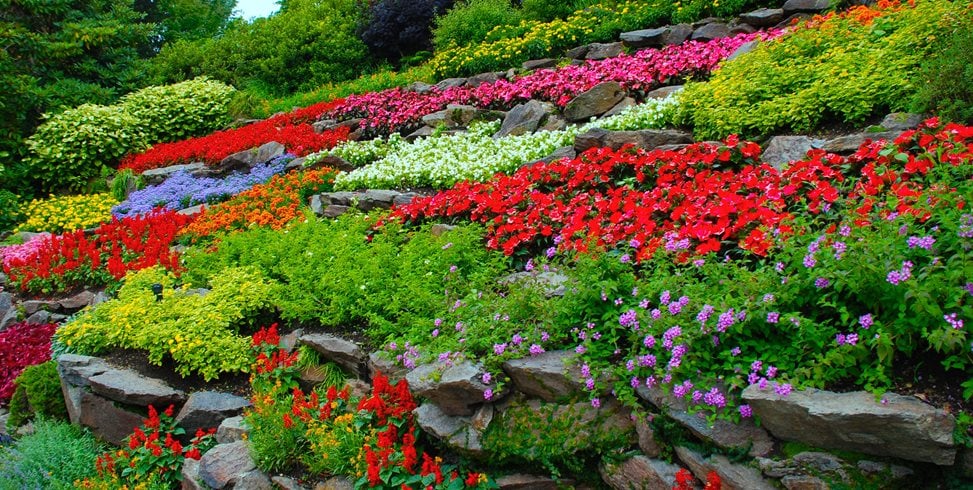
Start Your Flower Garden Today!
A lot pf people wonder whether or not they should start a
flower garden and I am here to tell you that you should definitely start a
flower garden. There are many benefits that come with starting a flower garden
and that is why you should start your flower garden toady.
 First, I would recommend that you should start your flower
garden from seeds. Starting your garden from seeds might seem intimidating but
it isn’t as bad as you think. There are instructions on the back of the packages
that tell you things like how often to water the plant, how much sunlight it
needs, and how deep to plant the seed. The benefit from planting seeds is that
you get to see the progress of the plant and feel more accomplished of what you’ve
done. Another benefit to starting a flower garden is that it gets you outside.
Having an obligation to take care of your makes you be more active by going
outside to take of your plants. Getting outside and getting some fresh air is
healthy for the mind and body. Also, the benefit of having a flower garden is
that it helps decorate you house. Flowers are the best thing when it comes to improving
your house without spending a lot of money. They add color to your house in a
very inexpensive way. Overall, there is no really downfall to starting a flower
garden. So go to your local store that sells plant material and get started on
your flower garden today!
First, I would recommend that you should start your flower
garden from seeds. Starting your garden from seeds might seem intimidating but
it isn’t as bad as you think. There are instructions on the back of the packages
that tell you things like how often to water the plant, how much sunlight it
needs, and how deep to plant the seed. The benefit from planting seeds is that
you get to see the progress of the plant and feel more accomplished of what you’ve
done. Another benefit to starting a flower garden is that it gets you outside.
Having an obligation to take care of your makes you be more active by going
outside to take of your plants. Getting outside and getting some fresh air is
healthy for the mind and body. Also, the benefit of having a flower garden is
that it helps decorate you house. Flowers are the best thing when it comes to improving
your house without spending a lot of money. They add color to your house in a
very inexpensive way. Overall, there is no really downfall to starting a flower
garden. So go to your local store that sells plant material and get started on
your flower garden today!Saturday, October 19, 2019
Tomato Seeds or Grown Tomato Plant
One of the most popular plants to buy when starting a vegetable
garden are tomatoes. Tomato plants are one of the easiest plants to take care
of when it comes to starting a garden, but the question is whether you should
buy a tomato plant that is already grow or buy the seeds and start the plant
from scratch. Here are some pros and cons to buying a tomato plant already
grown or buying the seeds for a tomato plant.
 A pro for an already grown tomato plant is that you don’t have
to wait long to get tomatoes from the plant. Having to start from scratch means
that you will have to wait six to eight weeks for the plant to be able to start
producing tomatoes. After the seeds have grown for six weeks, then you’ll have
to wait for the tomatoes to grow. If you are impatient, I would recommend to buy
a grow tomato plant so you don’t have to wait as long to get tomatoes from it. A
pro for buying seeds is that you get to see the progress of the plant slowly
growing to maturity. It makes you feel more satisfied since you started the
plant from a seed and now you are getting tomatoes from it. Another pro for seeds
is that they are cheaper than a grown plant. A grown tomato plant is around 20
dollars while seeds are around 2 dollars. A pro for a grown plant is that they
are easier to take care of rather seeds. Seeds have to be watered a lot and
need to be looked after much more than a grown tomato plant. Those are a couple
of pros and cons to buying a grown tomato plant or buying tomato seeds.
A pro for an already grown tomato plant is that you don’t have
to wait long to get tomatoes from the plant. Having to start from scratch means
that you will have to wait six to eight weeks for the plant to be able to start
producing tomatoes. After the seeds have grown for six weeks, then you’ll have
to wait for the tomatoes to grow. If you are impatient, I would recommend to buy
a grow tomato plant so you don’t have to wait as long to get tomatoes from it. A
pro for buying seeds is that you get to see the progress of the plant slowly
growing to maturity. It makes you feel more satisfied since you started the
plant from a seed and now you are getting tomatoes from it. Another pro for seeds
is that they are cheaper than a grown plant. A grown tomato plant is around 20
dollars while seeds are around 2 dollars. A pro for a grown plant is that they
are easier to take care of rather seeds. Seeds have to be watered a lot and
need to be looked after much more than a grown tomato plant. Those are a couple
of pros and cons to buying a grown tomato plant or buying tomato seeds.
Subscribe to:
Posts (Atom)